
General information
Kilimanjaro climb
On this page we provide you with interesting, general information about Kilimanjaro - so you know what to expect.

Weather on Kilimanjaro
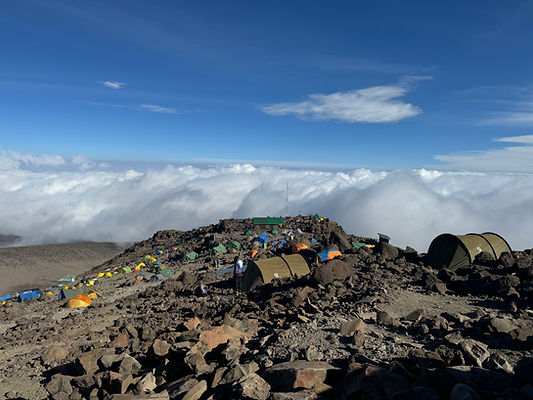
The weather on Kilimanjaro is as diverse as the mountain itself. From tropical temperatures at the base of the mountain to icy winds and snow at the summit, climbers experience all four seasons on a single trip. Each stage of the climb presents unique climatic conditions that make the adventure even more exciting. Those planning to climb Kilimanjaro should be prepared for changeable weather conditions and be well-prepared.

Wildlife & Vegetation
The wildlife and vegetation on Kilimanjaro are as impressive as its height. During the ascent, adventurers traverse lush rainforests home to monkeys and exotic birds before entering barren, lunar-like landscapes and finally, ice-capped peaks. Each climate zone offers a new surprise—from rare plants to fascinating wildlife that has adapted to the extreme conditions. This diversity makes Kilimanjaro a unique natural experience.

Best time to travel
The best time to climb Kilimanjaro is during the drier months, when weather conditions are more stable. From January to March and from June to October, climbers have the best chance of clear views and more pleasant weather. During these months, temperatures are milder and the likelihood of rain is lower, making the climb easier. Those planning to climb Kilimanjaro should keep these periods in mind to fully enjoy the adventure.
Culture and history
Kilimanjaro is not only an impressive mountain, but also a symbol of East Africa's culture and history. For the indigenous Chagga people, it holds spiritual significance and has been part of their traditions for centuries. In the history of climbs, Kilimanjaro rose to fame when the German geographer Hans Meyer became the first to reach the summit in 1889. Today, it attracts people from all over the world who not only want to climb Africa's highest mountain but also immerse themselves in the region's rich culture.

difficulty
Kilimanjaro may not be the most technically challenging mountain, but its difficulty should not be underestimated. The climb requires a good level of physical fitness, as the hikes last several hours each day and involve significant elevation changes. Altitude sickness is particularly challenging, as the thin air in the upper regions makes breathing difficult. Those who wish to conquer Kilimanjaro should prepare themselves physically and opt for a slow, steady ascent to acclimatize to the altitude.

The soul of Kilimanjaro
The mentality of the local crew on Kilimanjaro is characterized by warm hospitality and a deep respect for the mountain. The guides, porters, and cooks accompany every climb with a positive attitude, tireless dedication, and impressive knowledge of Kilimanjaro. They know how to support the climbers not only physically but also mentally, always with a smile and encouraging words. Their close connection to nature and their land is reflected in their work, and they manage to turn the challenge of the climb into a unique and fulfilling experience.
"Together to the summit" - your personal advice
We cordially invite you to a personal meeting to learn more about Kilimanjaro and the special experience with our local crew. At Luki Journeys, we are happy to help you plan your trip and answer your questions. Let's create your unforgettable Kilimanjaro experience together!

Arrival & Visa
Getting to Kilimanjaro is straightforward and usually takes place via Kilimanjaro International Airport (JRO), which is well-connected by international flights. Travelers require a visa to enter Tanzania, which can be easily applied for online or purchased upon arrival at the airport. At Luki Journeys, we also offer visa assistance to ensure a smooth start to your adventure. This way, you'll be fully prepared to fully enjoy the beauty of Kilimanjaro.

Health precautions
For a safe and healthy trip to Kilimanjaro, several health precautions are important. Travelers should inform themselves about recommended vaccinations, especially for hepatitis A, typhoid, and yellow fever. It is also advisable to consider a rabies vaccination, especially for planned activities in rural areas or when interacting with animals. Before climbing, it is a good idea to maintain physical fitness and discuss any potential health restrictions. With proper preparation, you can enjoy your Kilimanjaro adventure without worry.

sustainability
Sustainability on Kilimanjaro is crucial to protecting the environment and local culture. Authorities have implemented strict rules for climbers to reduce waste and conserve natural resources. Local guides and porters contribute to the preservation of the ecosystem by promoting environmentally friendly practices and respecting the mountain's cultural significance. At Luki Journeys and Zara Tours, we actively promote sustainable tourism to preserve Kilimanjaro's beauty for future generations.